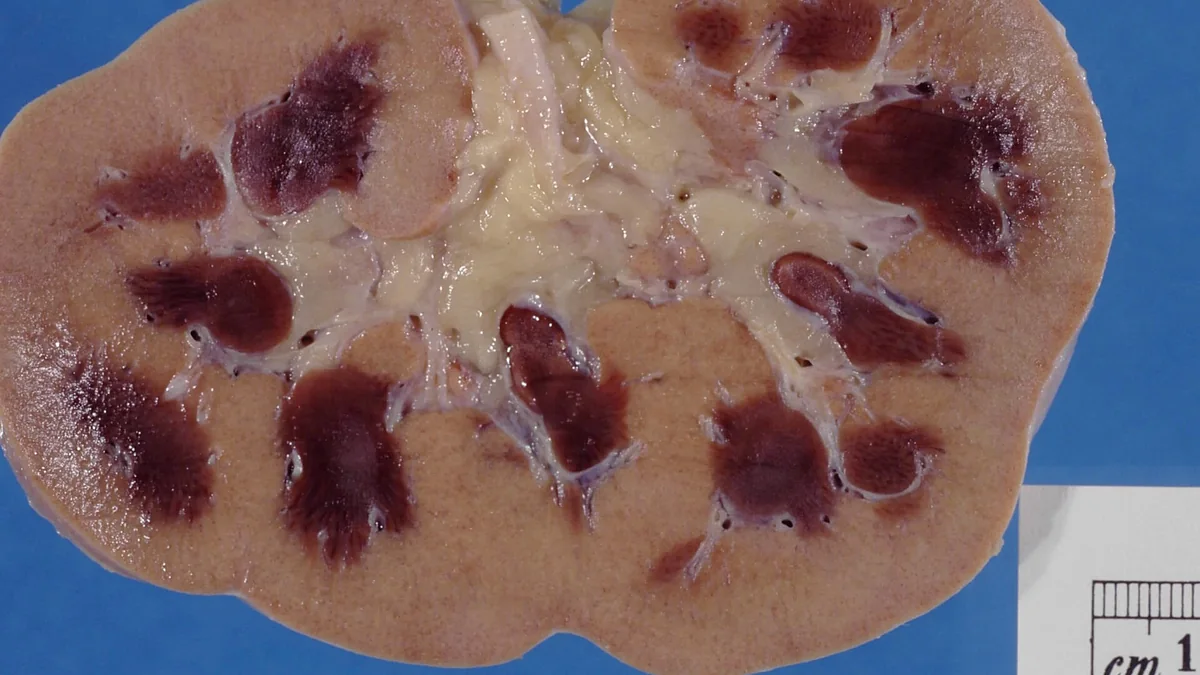
What It Is
Acute kidney injury is a sudden decline in kidney function, developing over a period of hours to days, in contrast to the gradual decline seen in chronic kidney disease.
How It Develops
AKI can develop for several different reasons, broadly grouped into three categories. It can result from a sudden drop in blood flow reaching the kidneys, such as from significant fluid loss or a sudden drop in blood pressure. It can result from direct damage to kidney tissue itself, caused by certain toxins, some medications, or reduced oxygen supply. It can also result from a blockage somewhere in the urinary tract that prevents urine from draining properly, causing pressure to build up and affect kidney function.
General Symptoms
Symptoms of AKI can include a noticeable decrease in urine output, swelling in the legs or around the eyes due to fluid retention, fatigue, and confusion in more significant cases. Because AKI often develops in the context of another serious illness or medical event, its symptoms can sometimes be difficult to distinguish from the underlying condition itself.
General Treatment Approaches
Treatment for AKI focuses on identifying and addressing the underlying cause as quickly as possible, whether that involves restoring adequate blood flow, removing or adjusting a harmful exposure, or relieving a urinary blockage. Supportive care, including careful management of fluid balance, is also a central part of treatment. In more severe cases, temporary dialysis may be needed to support kidney function while the underlying cause is addressed and the kidneys have an opportunity to recover.
Background
Acute kidney injury was historically recognized primarily in the context of severe trauma or illness, sometimes described in earlier medical literature under different terminology. As dialysis technology developed in the mid-20th century, it became possible to support patients through episodes of acute kidney injury that would previously have often been fatal, considerably changing outcomes and shaping the current understanding of the condition as a distinct, often reversible process.