What It Is
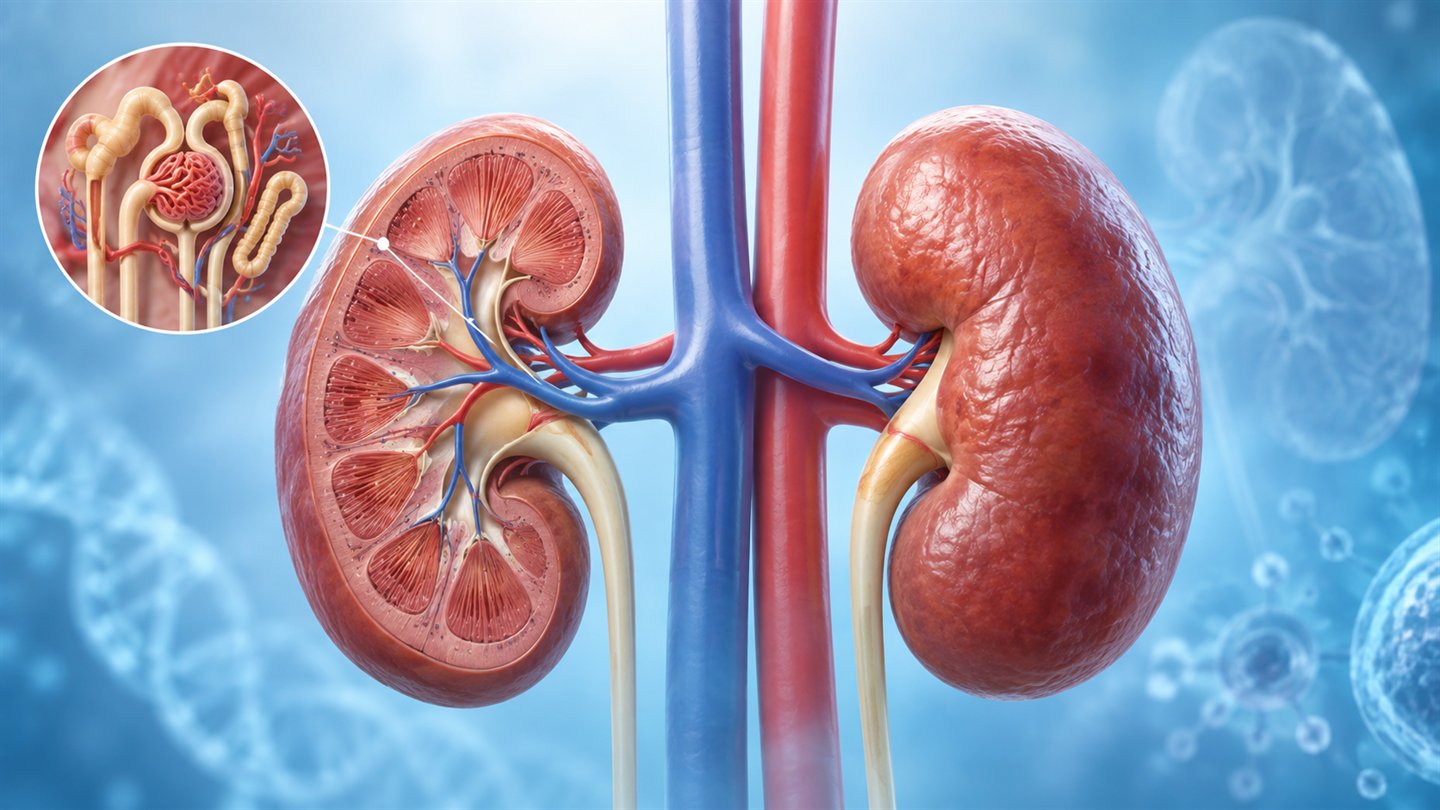
Chronic kidney disease is a condition in which the kidneys gradually lose their ability to filter waste and excess fluid from the blood effectively, over a period of months to years.
How It Develops
CKD typically develops slowly, often as a result of long-term damage to the kidneys' filtering units, called nephrons. Common underlying causes include long-standing diabetes and high blood pressure, both of which can gradually damage the small blood vessels within the kidneys over time. As more nephrons become damaged, the kidneys' overall filtering capacity declines, a process that's often measured and tracked in stages reflecting how much kidney function remains.
General Symptoms
In its earlier stages, CKD often causes few or no noticeable symptoms, which is part of why it can go undetected for some time. As kidney function declines further, symptoms can include fatigue, swelling in the legs or ankles due to fluid retention, changes in urination patterns, and a general sense of feeling unwell. In more advanced stages, additional symptoms related to the buildup of waste products in the blood may develop.
General Treatment Approaches
Management of CKD generally focuses on slowing further kidney damage and managing underlying contributing conditions, such as diabetes and high blood pressure, through a combination of lifestyle changes, dietary adjustments, and medications. Regular monitoring of kidney function over time is a central part of ongoing management. In advanced stages, treatment may eventually involve dialysis, a process that artificially filters the blood, or evaluation for kidney transplantation.
Background
Understanding of chronic kidney disease as a distinct, gradually progressive condition developed considerably over the 20th century, alongside advances in measuring kidney filtering function through blood and urine tests. The introduction of dialysis technology in the mid-20th century, and kidney transplantation shortly after, transformed outcomes for people with advanced kidney disease, and CKD remains an active area of ongoing medical research today.