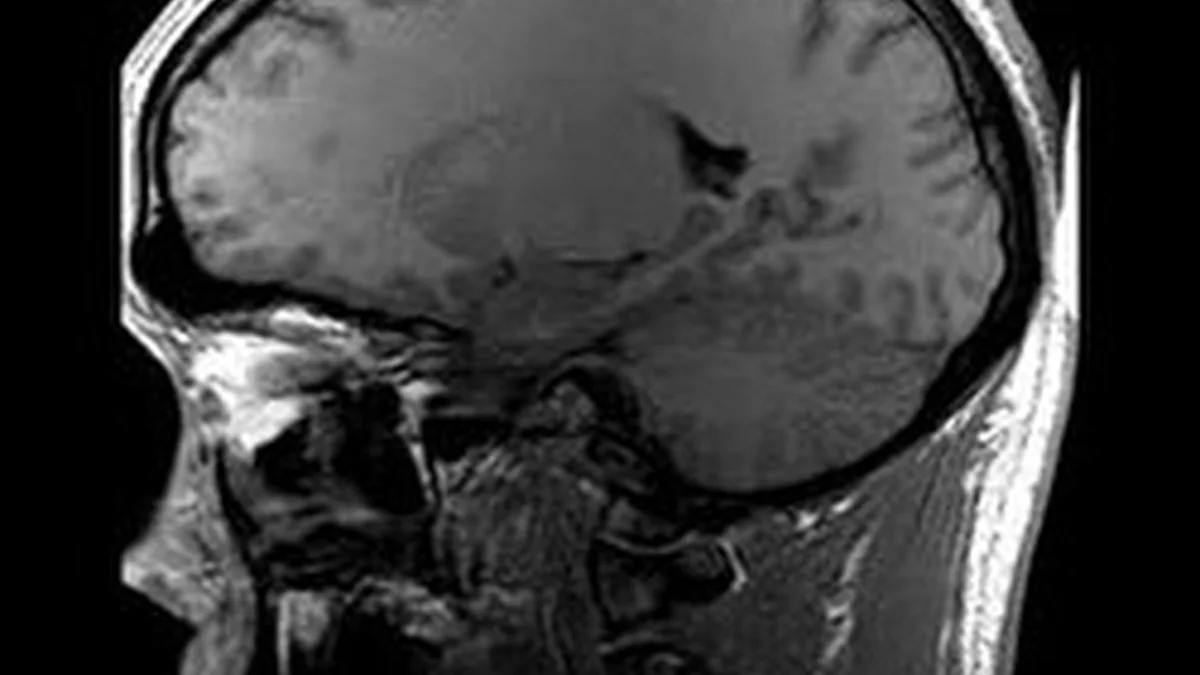
A Historically Slow, Demanding Scan
MRI has long been considered the gold standard for detailed soft-tissue imaging, but it has always come with real trade-offs: long scan times, the need for patients to stay completely still, and a persistent tension between image quality and speed. A patient with claustrophobia, chronic pain, or simply a young child has always faced a genuine challenge in an exam that can run anywhere from twenty minutes to over an hour. Artificial intelligence is now directly addressing these long-standing limitations, not as a futuristic add-on, but as a practical part of how modern MRI machines already operate.
Faster Scans Without Sacrificing Image Quality
The most significant impact of AI in MRI has been on speed. Traditional MRI reconstructs an image using a large, complete set of raw data. AI-based reconstruction techniques, often built on deep learning models, can instead reconstruct a crisp, diagnostic-quality image from a much smaller, "undersampled" set of data — effectively filling in the gaps intelligently based on patterns learned from vast numbers of prior scans. This has allowed scan times to be reduced by as much as 50% in some cases, without a meaningful loss in diagnostic image quality.
This isn't a single company's innovation. Research initiatives such as fastMRI, a joint project between NYU Langone Health and Meta AI Research launched in 2018, showed that AI models could accurately reconstruct images using only a quarter of the data collected in a conventional scan. Around the same period, a research team at Massachusetts General Hospital and Harvard, funded by the NIH, developed a technique called AUTOMAP, which similarly demonstrated sharper, less noisy images with faster reconstruction than conventional methods. Major MRI manufacturers have since built comparable deep-learning reconstruction tools directly into their commercial scanners.
Reducing the Need for Contrast Agents
MRI scans often rely on gadolinium-based contrast agents to highlight blood vessels, tumors, and areas of inflammation more clearly. While these agents are considered safe for the vast majority of patients, there has been a long-standing push in the field to minimize their use where possible. AI-enhanced imaging is now enabling "low-dose" and, in some cases, contrast-free protocols, with algorithms trained to enhance images taken with significantly reduced contrast levels, achieving clarity that previously required a full dose.
Smarter, More Automated Workflows
Beyond image reconstruction itself, AI is increasingly involved in the broader MRI workflow. Some newer systems can automatically adjust imaging parameters in real time, analyzing a patient's anatomy and detecting movement during the scan to reduce motion artifacts and minimize the need for repeat imaging. Automated tools are also being used to handle routine measurements and preliminary image analysis, tasks that previously required manual work by a radiologist or technologist before formal review.
Expanding Access
Shorter, more efficient scans have a knock-on effect beyond individual patient comfort: they increase how many patients a single MRI machine can scan in a day. Given how limited and expensive MRI equipment remains in many regions, this kind of throughput improvement has real implications for accessibility, potentially reducing wait times and the pressure to purchase additional machines to meet demand.
Augmenting, Not Replacing, Radiologists
It's worth being clear about what this technology is and isn't doing. AI in MRI today is primarily focused on the technical process of acquiring and reconstructing images faster and more efficiently — not on making diagnostic decisions in place of a radiologist. The interpretation of what an MRI scan actually shows, and what it means for a patient's care, remains squarely the responsibility of trained physicians. The role AI is playing here is best understood as removing friction from the imaging process itself, giving radiologists faster, cleaner images to work with, rather than replacing their judgment.
Where This Is Headed
As these reconstruction and workflow tools continue to mature and become more widely adopted across MRI systems from different manufacturers, the gap between what's technically possible in a research setting and what's available in an average hospital or diagnostic center is narrowing. For a technology long associated with long waits and a fairly uncomfortable patient experience, that shift is a meaningful one.