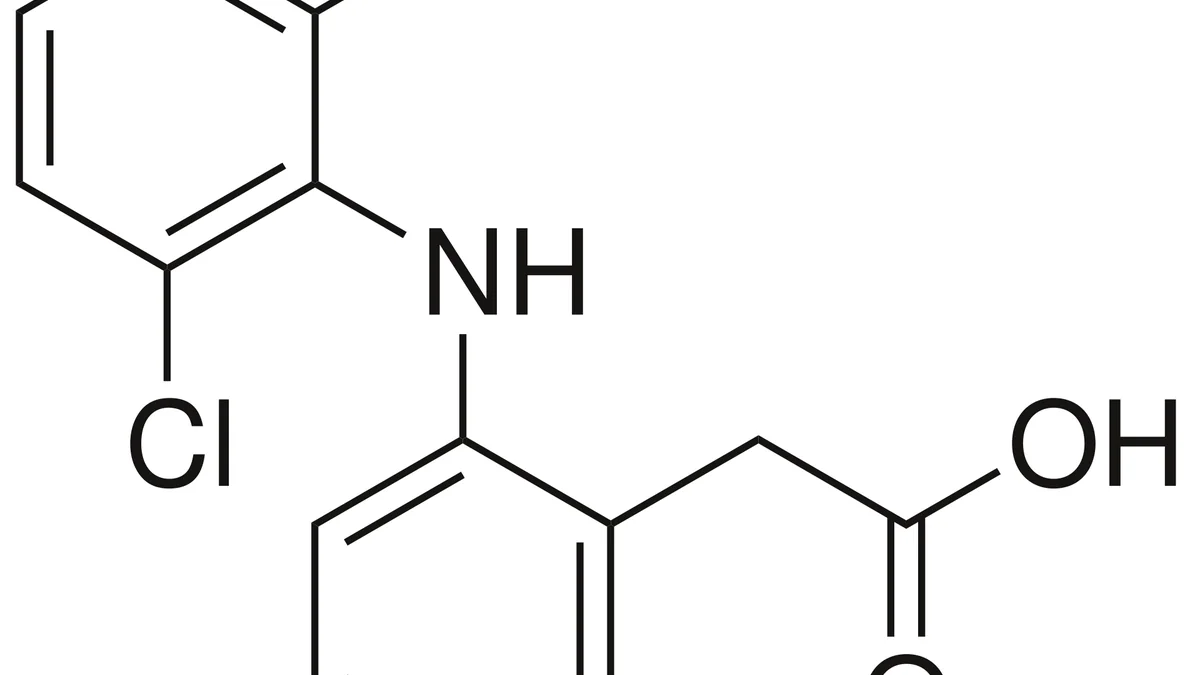
What It Is
Diclofenac belongs to a class of medicines called nonsteroidal anti-inflammatory drugs, commonly abbreviated as NSAIDs, similar in class to ibuprofen but generally considered to have a stronger anti-inflammatory effect.
What It's Used For
Diclofenac is generally used to relieve pain and reduce inflammation, commonly used for conditions such as arthritis, muscle and joint pain, and pain following certain injuries or surgical procedures.
How It Works
Diclofenac works by blocking cyclooxygenase, or COX, enzymes, which play a central role in producing prostaglandins, the chemical messengers responsible for promoting inflammation and transmitting pain signals. By reducing prostaglandin production at the site of injury or irritation, diclofenac decreases swelling, redness, and pain associated with inflammatory conditions.
History and Regulatory Status
Diclofenac was developed by a Swiss pharmaceutical company and was introduced for clinical use in the late 1970s and early 1980s. It became widely adopted internationally for managing conditions involving pain and inflammation, particularly various forms of arthritis, and remains one of the most commonly used NSAIDs globally. It's available in multiple forms, including tablets and topical preparations applied directly to the skin, and its availability varies by country, ranging from prescription-only status in some countries to over-the-counter availability, particularly for topical forms, in others.