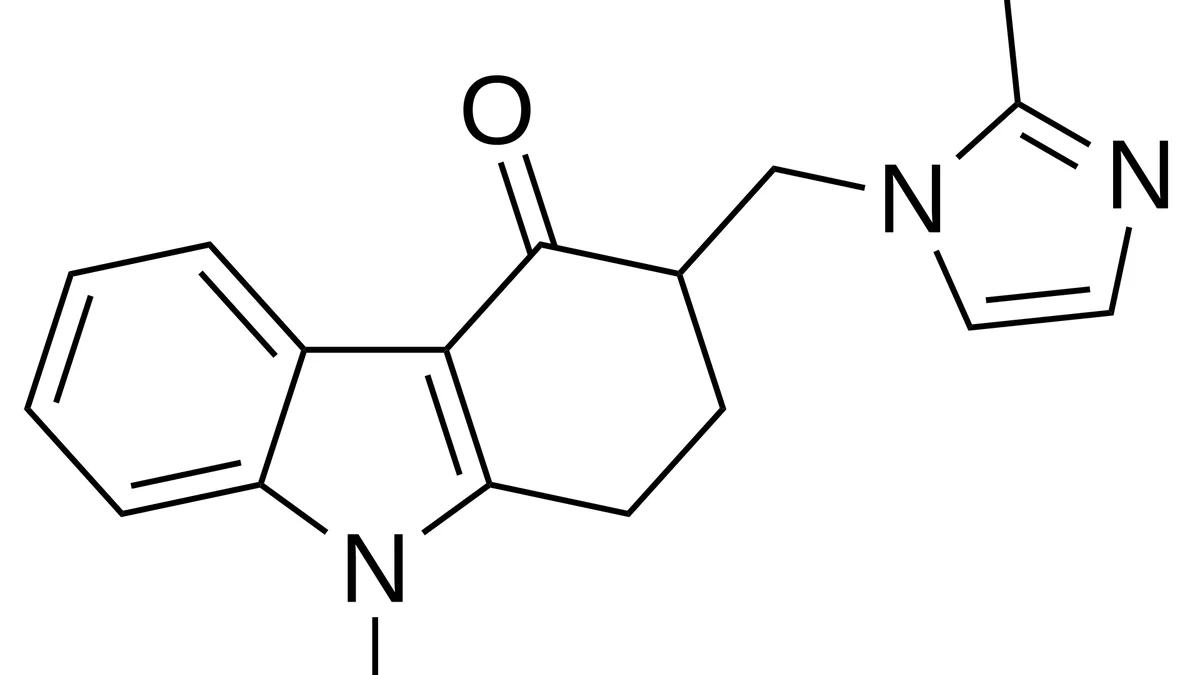
What It Is
Ondansetron belongs to a class of medicines called serotonin 5-HT3 receptor antagonists, a category primarily used to prevent and treat nausea and vomiting.
What It's Used For
Ondansetron is generally used to help prevent and manage nausea and vomiting, commonly associated with situations such as chemotherapy, radiation treatment, and surgery involving anesthesia.
How It Works
Ondansetron works by blocking serotonin from binding to specific receptors, called 5-HT3 receptors, found both in the digestive tract and in a region of the brain involved in triggering the vomiting reflex. Certain treatments and conditions can cause cells in the digestive tract to release serotonin, which activates these receptors and sends signals to the brain that trigger nausea and vomiting. By blocking this pathway at both locations, ondansetron interrupts the signal before it can produce these symptoms.
History and Regulatory Status
Ondansetron was developed by a British pharmaceutical company and was introduced for clinical use in the late 1980s and early 1990s. Its introduction represented a significant advance in supportive care for people undergoing chemotherapy, since nausea and vomiting had previously been among the most difficult side effects to manage effectively during cancer treatment. It has since become widely used beyond its original cancer-related applications, and following the expiration of its patent protection in the early 2000s, it became available as a generic medicine, remaining a standard prescription option for nausea and vomiting management today.