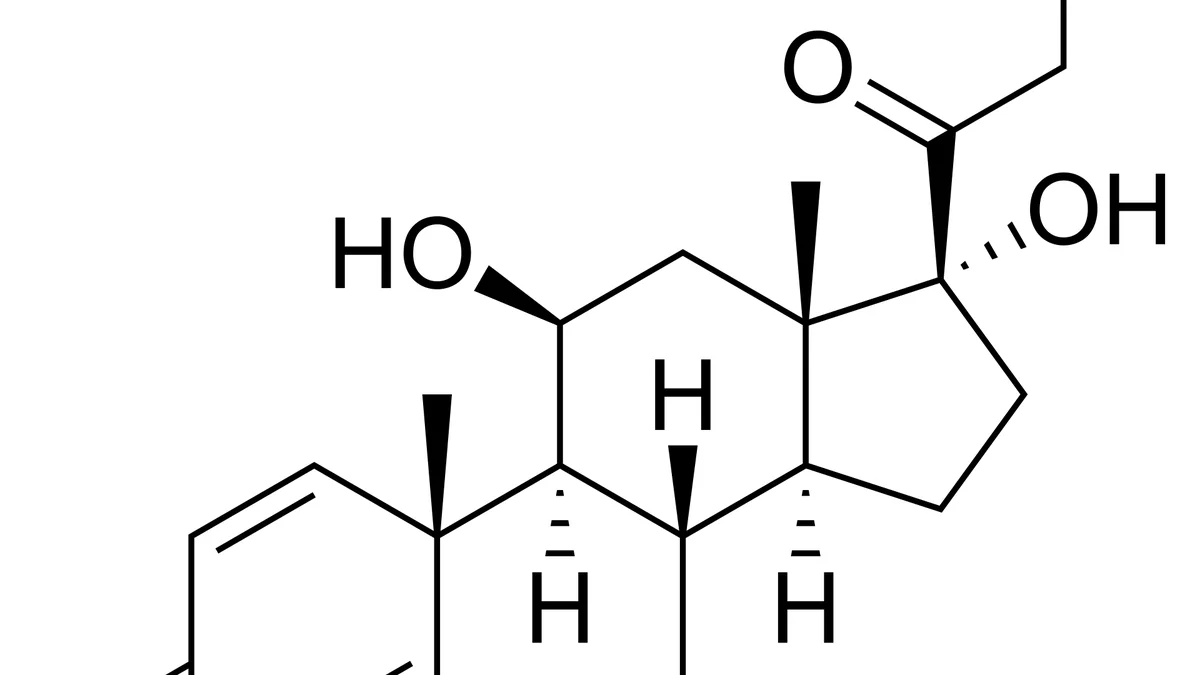
What It Is
Prednisolone belongs to a class of medicines called corticosteroids, specifically a synthetic version designed to mimic the effects of cortisol, a hormone naturally produced by the adrenal glands.
What It's Used For
Prednisolone is generally used to reduce inflammation and calm an overactive immune response, and is used across a wide range of conditions involving inflammation or immune system activity, including certain allergic reactions, asthma flares, and inflammatory or autoimmune conditions.
How It Works
Prednisolone works by entering cells and binding to specific receptors inside them, which then influence the activity of genes involved in inflammation and immune response. Broadly, this action reduces the production of chemical messengers that drive inflammation and dampens the activity of certain immune cells, which together reduce swelling, redness, and immune-driven tissue irritation across affected areas of the body.
History and Regulatory Status
Prednisolone was developed in the 1950s, building on earlier research into cortisone, one of the first corticosteroid hormones isolated and studied for medical use in the 1940s. Prednisolone and related synthetic corticosteroids were developed to have a stronger anti-inflammatory effect relative to their other hormonal effects, compared to naturally occurring cortisol. Since its introduction, it has become a standard treatment option across many areas of medicine involving inflammation or immune regulation, and remains available today, generally as a prescription medicine, in multiple forms including tablets and other formulations.