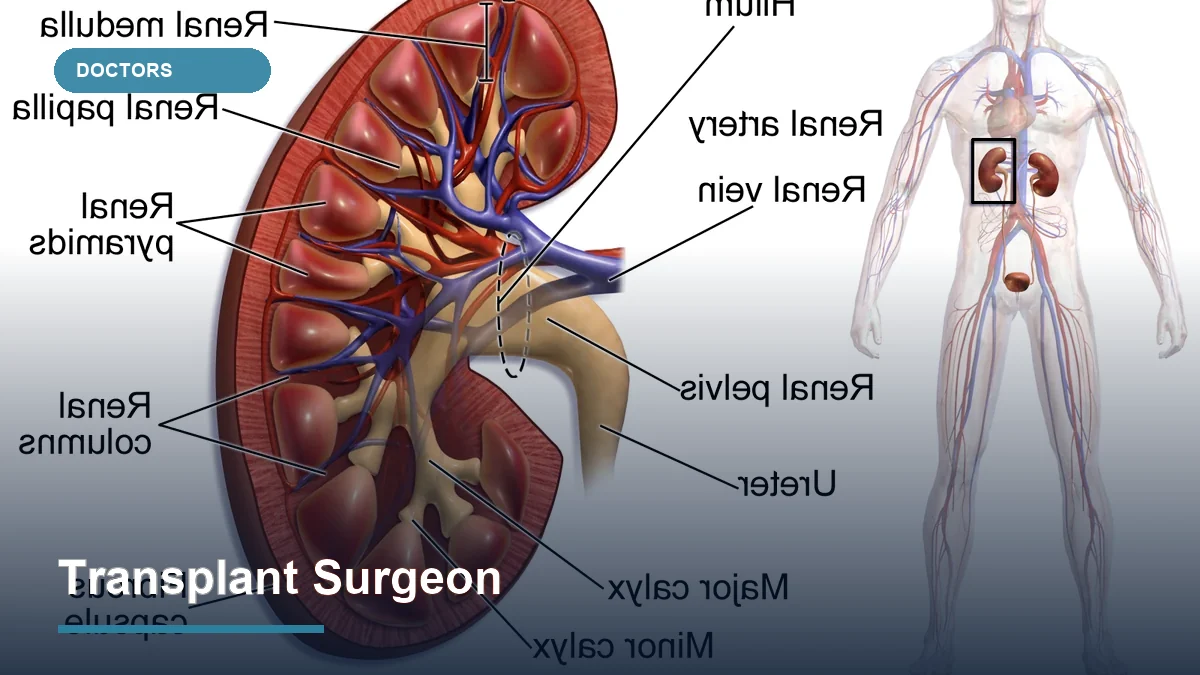
What They Do
A transplant surgeon specializes in performing organ transplantation procedures, in which a diseased or failing organ is surgically replaced with a healthy organ from a donor. While specific organ transplants, such as heart or kidney transplants, are sometimes performed by surgeons specialized in that particular organ, many transplant surgeons focus specifically on the transplant procedure itself as a distinct surgical specialty.
What They Do in Practice
Transplant surgeons perform the surgical procedures involved in organ transplantation, including kidney, liver, and pancreas transplants, among others, depending on their specific area of focus. Their role extends beyond the surgery itself to include close involvement in evaluating whether a patient is a suitable transplant candidate, and coordinating care in the period immediately following transplantation, when careful monitoring is especially important.
Training Path
Becoming a transplant surgeon requires completing a medical degree, followed by general surgical residency training, and then additional specialized fellowship training specifically in transplant surgery, often with a particular focus on one or more specific organs. This additional training covers the technical surgical skills required, along with the broader medical management of transplant patients before and after surgery.
When Patients Interact With One
Patients are typically connected with a transplant surgeon after being referred for evaluation due to organ failure that hasn't responded adequately to other treatments. This evaluation process, and the transplant procedure itself when it occurs, generally involves a broader multidisciplinary transplant team working alongside the surgeon.
Background
Organ transplantation developed as a viable medical treatment starting in the mid-20th century, following major advances in surgical technique and, critically, in medications that help prevent the body's immune system from rejecting a transplanted organ. These developments transformed transplant surgery from an experimental procedure into an established, life-saving treatment option, and the field has continued to expand the range of organs that can be successfully transplanted.